This website uses cookie or similar technologies, to enhance your browsing experience and provide personalised recommendations. By continuing to use our website, you agree to our privacy policy. You can adjust cookie preferences in Cookie Settings.


SwarPlug includes an extraordinary number of instruments from India for your practice and creative mood. Throughout the years, we have managed to sample most of the instruments of the subcontinent, from the most famous to some very unique ones. Our library is the largest and most comprehensive set of virtual Indian instruments in the market today. And we are also committed to improving the quality of these instruments to keep them in line with the highest standards of quality.
This is done in the form of additional Expansion Packs or EP (previously known as Multi-Layer Packs or MLPs) that contain sets of improved voices, for the most part multi-layered, multi-mics but also physically-modeled ones.
| Photo | Instrument Name | Description | Demo Clip |
|---|---|---|---|
|
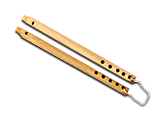
Algozay | Algozay is a wooden beaked double-flute traditionally played by goat herders in Punjab, India/Pakistan. One flute is kept as the drone, the other creating the melody. More... | |
|
Banjo | Banjo is a stringed instrument played with a guitar plectrum while pressing keys like on a harmonium. These keys in turn pinch the string, creating a particular sound. More... | |
|
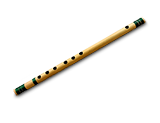
Bansuri | The Bansuri is a bamboo traverse flute, similar in its design to a modern concert flute. It is one of the oldest music instruments, depicted in ancient scriptures. More... | |
|
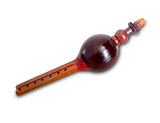
Been | The Been is used by snake charmers and is made of the stone apple fruit. It has two tubes. One of them plays a constant note while the other belts melodies. More... | |
|
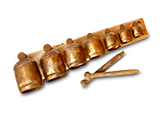
Bells | These (cow) Bells are a series of copper bells stringed vertically. The sound is produced via hitting the Bells with a wooden stick. More... | |
|
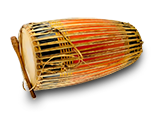
Bihu Dhol | The Bihu Dhol is a percussion instrument played in the famous Assamese dance, Bihu. More... | |
|
Bols | Bols are rhythmic mnemonics that have been used since ages to transmit rhythmic knowledge from master to student in an oral way. More... | |
|
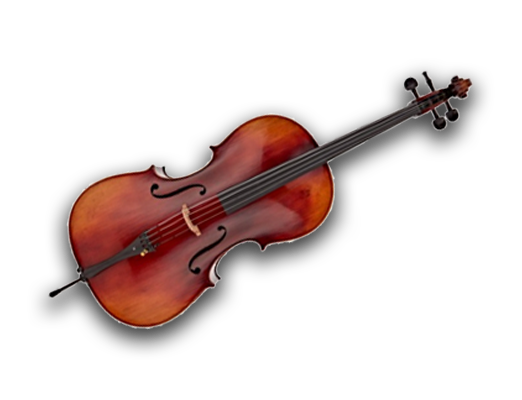
Cello | The cello, also known as the violoncello, is a large bowed string instrument belonging to the violin family. More... | |
|
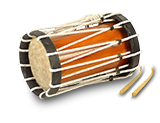
Chende | The Chende is a hollow cylindrical instrument made from softwood, the ends of which are covered with cowhide. It is the chief accompaniment in Kathakali dance. More... | |
|
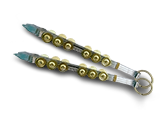
Chimta | Chimta is a long instrument featuring 2 metal spades covered with small bells that are tied together at one end along with a metal ring. More... | |
|
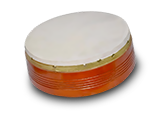
Daphli | Made of a wooden frame and goat skin, the Daphli is another percussion instrument from Rajasthan. When playing, applying pressure on the skin changes the pitch. More... | |
|
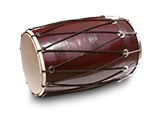
Dhol | Dhol is a large barrel-shaped drum that is played with sticks on both sides. It is the main rhythmic instrument used in Bhangra, the folk music on Punjab state. More... | |
|
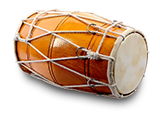
Dholak | This round-shaped barrel drum is mostly used for folk music. Unlike Tabla or Pakhawaj, the masala paste is applied inside the low-pitch skin. More... | |
|
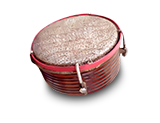
Dimdi | This one piece drum is very similar to South Indian Kanjeera, except for the bells. Modulations can be achieved by adapting the pressure on the skin. More... | |
|
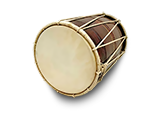
Dollu | The Dollu is a large barrel drum from Karnataka state, which is the main rhythmic instrument of the Dollu Kunitha folk dance from that same region. More... | |
|
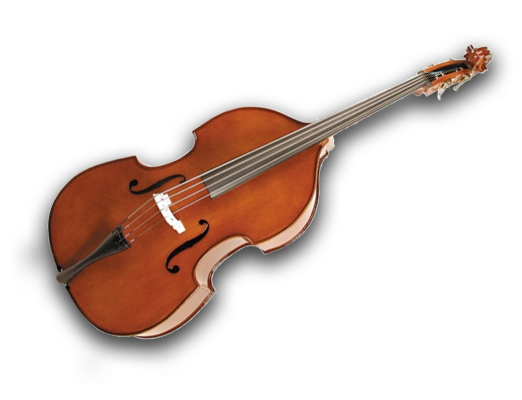
Double Bass | The cello, also known as the violoncello, is a large bowed string instrument belonging to the violin family.belonging to the violin family. More... | |
|
Duff | Originated from Arabia, the Duff is also very popular in Indian folk music, specifically in Kashmir region. It allows for both very low and very sharp sounds. More... | |
|
Duggis | This instrument combines 3 Tabla dayans (right drum) that can be tuned at different pitches to achieve a melodic effect in accompaniment. Also called Maadal. More... | |
|
Eddaka | The Eddaka is an hourglass-shaped South Indian instrument. Its two sides are made of goat skin loosely tied up by ropes. The ropes are pulled simultaneously while hitting. More... | |
|
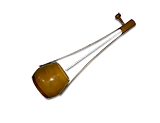
Ektara | The Ektara is a simple instrument made of one string, which can be made to give a range of tones by applying pressure at various points along the neck. More... | |
|
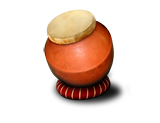
Ghat Singhari | The Ghat Singhari is a peculiar folk instrument with the pot's face covered by a skin parchment, producing comical effect. More... | |
|
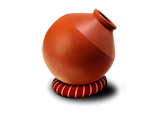
Ghatam | The Ghatam is a round shaped earthen pot, very much used in classical performances. It allows both very sharp strokes and very low modulations through its mouth. More... | |
|
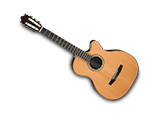
Guitar | No need to introduce the Guitar, one of the most popular instruments in the whole world. Indians also use it in both classical and folk music. More... | |
|
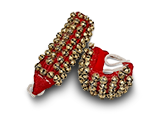
Gunghroo | Gunghroos are bells-covered belts that are tied to the feet of Indian dancers, who play them through intricate steps. It is also an accompaniment instrument in folk music. More... | |
|
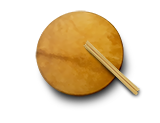
Halgi | The Halgi consists of animal skin framed on metal and two wooden sticks. The frame is held in one hand along with one stick while the other is used for striking on the skin. More... | |
|
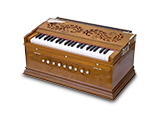
Harmonium | Indian organ, imported by the British. Air is pumped with one hand and played with the other. Has become the main accompaniment instrument for vocal performances, both classical and folkloric. More... | |
|
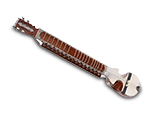
Israj | Israj is a bowed instrument with a neck like sitar, though smaller in size. It also has sympathetic strings that vibrate while playing to create harmonics. More... | |
|
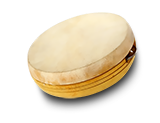
Kanjeera | The Kanjeera is a small round drum covered with goat skin and circled with bells on its wooden body. It is also very much used in classical performances. More... | |
|
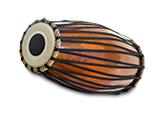
Kappi Mridangam | The Mridangam variety shown above is used mainly for instrumental music. We have also included one type called "Kappi Mridangam", which is used for vocal. More... | |
|
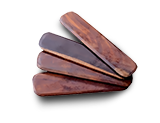
Khartaal | The Khartaal comprises two similar shaped wooden pieces and is approximately 8 to 12 inches long and 2 to 3 inches wide. It is the Rajasthani version of the Spanish Castanets. More... | |
|
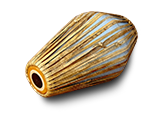
Khol | The Khol is a terracotta drum used in northern & eastern India for accompaniment of devotional music. Both its sides are covered with naturally dead cow/goat skin. More... | |
|
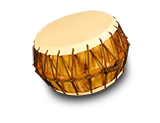
Khuang | Originated in 1300 AD, the Khuang is a Mizo indigenous instrument made of hollow tree, wrapped on both sides with animal skin. Supposedly, the Mizo received it from China. More... | |
|
Konnakol | The Konnakol is the art of reciting the stroke names of rhythmic sequences, that can be very intricate. It is the Carnatic equivalent to Hindusthani Bols. More... | |
|
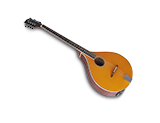
Mandolin | The Mandolin belongs to the lute family. It has a body with either a teardrop-shaped soundboard or one which is essentially oval in shape with sound holes of varying shapes. More... | |
|
Manipuri Dhol | The Manipuri Dhol is often used to provide beat to Manipuri folk dances. Cow skin is used for making both the sides and the ropes of the dhol. More... | |
|
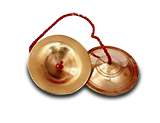
Manjeera | The Manjeera or Manjira, also known as Tala, are a small pair of cymbals that are played with the hands to accompany folk or devotional music. More... | |
|
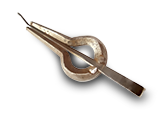
Morsing | The Morsing is typical of Carnatic music. It is used here as a very interesting rhythmic instrument. It is common for Morsing to be incorporated in classical items. More... | |
|
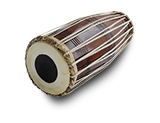
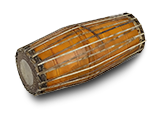
Mridangam | The Mridangam derives its name from the Sanskrit "Mrid-Ang" ("clay body"). Now made of wood, it is one of the main percussion instruments used in carnatic music. More... | |
|
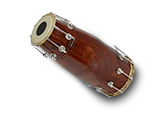
Naal | Naal is a hybrid instrument that has a high pitch tabla head on one side, and a dholak low-pitch skin on the other side. It is used mainly in folk music. More... | |
|
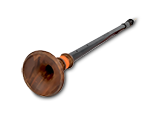
Nadaswaram | It is believed that the Nadaswaram evolved from the snake charmer's 'Pungi'. It consists of a wooden mouthpiece into which air is blown. More... | |
|
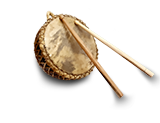
Nagara | The Nagara, or Nagada, is essentially a kettle drum, and its use is usually to accompany another instrument, most often a reeded wind instrument, the Shehnai. More... | |
|
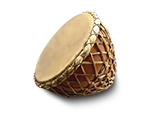
Nishan | The Nishan is a rhythm instrument from Sambalpur (Orissa) and is played with two sticks called Chimta. It is made out of iron sheets with cow skin covering the sides. More... | |
|
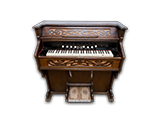
Organ | The pump organ, a large reed-based instrument with foot-pumped bellows, played a vital role in Indian theatre music during the 19th and early 20th centuries. Its rich, resonant tones and dynamic range made it ideal for creating emotional depth and dramatic soundscapes in theatre productions, particularly in operatic and historical plays. Unlike the more portable harmonium, the pump organ’s grand, sustained chords added a layer of complexity to musical scores, enhancing the theatrical atmosphere. Though its use has declined, the pump organ remains significant for its influence on Indian performing arts, symbolizing a blend of Western instrumentation with traditional Indian musical expression. More... | |
|
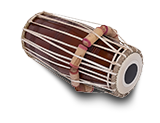
Pakhawaj | This barrel drum was the traditional classical percussion of North India before Tabla. It has two heads, with the rear coated in bread dough to lower its pitch. More... | |
|
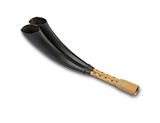
Pepa | The Pepa is a traditional Assamese folk instrument. It is made out of buffalo horn, with the reed part built out of bamboo. More... | |
|
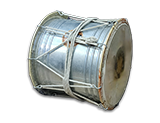
Puneri Dhol | The Puneri Dhol is a large, metallic body drum used in drums ensemble performances More... | |
|
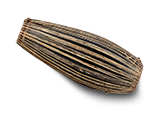
Pung | The Pung is a long bodied drum with both ends covered in cow skin. It plays an important role in Manipuri dancing. It is more than 1,000 years old. More... | |
|
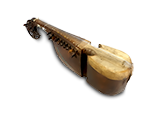
Rabab | The Rabab is an Afghani plucked stringed instrument widely used in Kashmir at present. It resembles the human voice with its long-lasting sound. More... | |
|
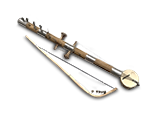
Ravan Hattha | The Ravan Hattha is a type of fiddle used in singing Rajasthani folk ballads. Its wires are made of horse tail. Its bow, also called the Dani, is carved off the Acacia tree. More... | |
|
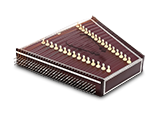
Santoor | The Santoor is an Indian hammered dulcimer. It is very much used in classical music, but also in folk music, specially in Kashmir. More... | |
|
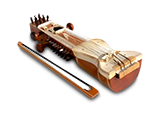
Sarangi | The Sarangi is an Indian fiddle roughly the size of a viola that is played sitting down like a cello. It was the main accompaniment for vocal and dance performances in the past. More... | |

|
Sargam | In the same way, Sargam, the title given to the collection of notes in India, is the way melodic compositions have been shared from generations until now. More... | |
|
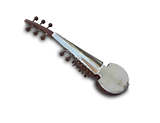
Sarod | Sarod bears some resemblance with the Sitar, but its head is covered by a thin goat skin that gives it a sweeter sound. It also has a fretless metal neck. More... | |
|
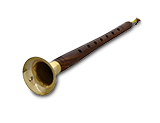
Shehnai | The Shehnai is a quadruple reed instrument similar to a classical oboe. It is considered a very auspicious instrument and therefore played on important occasions. More... | |
|
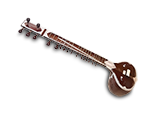
Sitar | The Sitar, perhaps the best known Indian instrument, has usually 4 main strings, 2 chikari strings that are hit to mark the base note (sa), and 13 sympathetics that vibrate along. More... | |
|
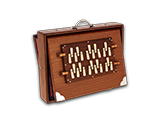
Sur Peti | The sur peti, or shruti box, is a small, hand-pumped instrument used in Indian classical and devotional music to provide a continuous drone. Made of wood and operated with bellows, it produces a steady harmonic sound, offering a tonal foundation for singers and musicians. Unlike melody-playing instruments, the shruti box helps maintain pitch accuracy, making it essential in vocal styles like khayal, dhrupad, and bhajans. Its simple, meditative drone creates a calming atmosphere, and while modern electronic versions exist, the traditional hand-pumped version remains popular in both traditional Indian music and contemporary meditative practices. More... | |
|
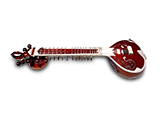
Surbahar | Invented in 1825, the Surbahar (also known as bass sitar) is a plucked string instrument. It is related to the better-known sitar but has a lower tone. More... | |
|
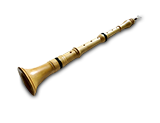
Surnaii | Used by the Pathans, the Surnaii is similar to an oboe. It is a reed instrument with a conical body made of wood or horn, with seven holes above and one below. More... | |
|
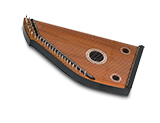
Swarmandal | The Swarmandal is a stringed instrument similar to the Autoharp or Zither in many respects. It measures from 24 to 30 inches in length and 12 to 15 inches in width. More... | |
|
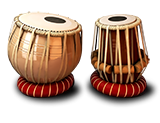
Tabla | A pair of 2 drums, the Dayan (the right hand drum) and the Bayan (the left hand drum). It's the most important rhythmic instrument in Hindustani classical music. More... | |
|
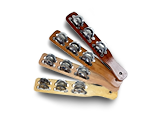
Tambourines | Wooden sticks carved and filled with one or more rows of bells. They are played as a rhythmic accompaniment by shaking them or hitting them against the palm. More... | |
|
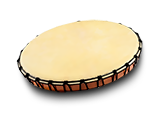
Tamte | The Tamte, also called "Tammatai" is a South Indian version of the North Indian Duff. It is a flat circular drum with a skin pulled over, which is played with a stick. More... | |
|
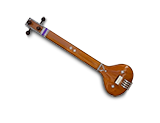
Tanpura | The Tanpura is a drone stringed instrument, similar in sound to a Sitar being played without fretting any notes. This drone accompanies most classical concerts. More... | |
|
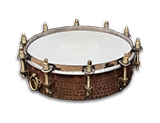
Tasha | The Tasha is a small, metallic drum that plays a crucial role in Pune’s traditional festival music. More... | |
|
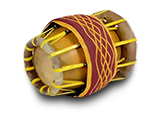
Tavil | The Tavil has a round body with two skins wrapped around two large hemp hoops on both sides. It is played with a stick and metal thimbles over the fingers. More... | |
|
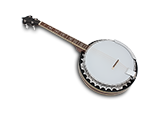
Tenor Banjo | A variant of the Banjo, the Tenor Banjo has either 17 or 19 frets. It is best known for its ability to mark the rhythm. More... | |
|
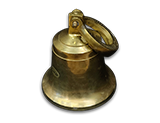
Toll Bell | The Toll Bells is a typical Indian temple bell also used as part of festive drums ensembles performances, more specifically for Ganesh Chaturthi More... | |
|
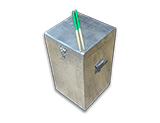
Trashcan | This is a real metal trash can that has been transformed into a percussion instrument during festival drum performances. More... | |
|
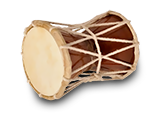
Tudd | This instrument has the shape of Shri Shiva's Damroo drum. Player achieves different modulations by pulling the strings that tie its 2 heads. More... | |
|
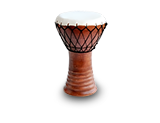
Tumbak | This earthern drum bears much resemblance to the Irani Tumakh, except for the shape of its body. It provides a fascinating dimension to Kashmiri folk music. More... | |
|
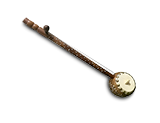
Tumbi | Tumbi is a one string instrument with a skin-covered body, typical of Bhangra music. It has been popularized world-wide in Punjabi MC's "Mundian to Bach Ke" title. More... | |
|
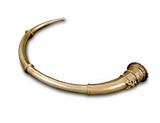
Tutari | The Tutari is a begul-like instrument from Maharashtra. It is a wind instrument curved like an elephant's trunk, earlier used to alert the entire kingdom of the King's arrival. More... | |
|
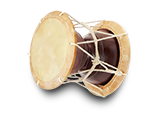
Udukke | The Udukke is a sensitive percussion instrument. Made of wood a quarter metre long, the drumheads are held in position by interlacing cotton threads that can be pulled. More... | |
|
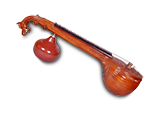
Veena | The Veena is the traditional instrument of Shri Saraswati (Goddess of Arts). It has 4 main strings, a few others to mark the rhythm and sympathetics that vibrate along. More... | |
|
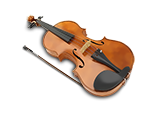
Viola | The Viola, often referred to as the middle voice of the string family, is a bowed string instrument larger than the violin but smaller than the cello. More... | |
|
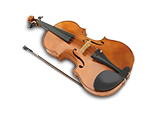
Violin | The Violin is a bowed string instrument with four strings tuned in perfect fifths. It is the smallest and highest-pitched member of the violin family. More... |
Algozay is a wooden beaked double-flute traditionally played by goat herders in Punjab, India/Pakistan. One flute is kept as the drone, the other creating the melody. More...
Banjo is a stringed instrument played with a guitar plectrum while pressing keys like on a harmonium. These keys in turn pinch the string, creating a particular sound. More...
The Bansuri is a bamboo traverse flute, similar in its design to a modern concert flute. It is one of the oldest music instruments, depicted in ancient scriptures. More...
The Been is used by snake charmers and is made of the stone apple fruit. It has two tubes. One of them plays a constant note while the other belts melodies. More...
These (cow) Bells are a series of copper bells stringed vertically. The sound is produced via hitting the Bells with a wooden stick. More...
The Bihu Dhol is a percussion instrument played in the famous Assamese dance, Bihu. More...
Bols are rhythmic mnemonics that have been used since ages to transmit rhythmic knowledge from master to student in an oral way. More...
The cello, also known as the violoncello, is a large bowed string instrument belonging to the violin family. More...
The Chende is a hollow cylindrical instrument made from softwood, the ends of which are covered with cowhide. It is the chief accompaniment in Kathakali dance. More...
Chimta is a long instrument featuring 2 metal spades covered with small bells that are tied together at one end along with a metal ring. More...
Made of a wooden frame and goat skin, the Daphli is another percussion instrument from Rajasthan. When playing, applying pressure on the skin changes the pitch. More...
Dhol is a large barrel-shaped drum that is played with sticks on both sides. It is the main rhythmic instrument used in Bhangra, the folk music on Punjab state. More...
This round-shaped barrel drum is mostly used for folk music. Unlike Tabla or Pakhawaj, the masala paste is applied inside the low-pitch skin. More...
This one piece drum is very similar to South Indian Kanjeera, except for the bells. Modulations can be achieved by adapting the pressure on the skin. More...
The Dollu is a large barrel drum from Karnataka state, which is the main rhythmic instrument of the Dollu Kunitha folk dance from that same region. More...
The cello, also known as the violoncello, is a large bowed string instrument belonging to the violin family.belonging to the violin family. More...
Originated from Arabia, the Duff is also very popular in Indian folk music, specifically in Kashmir region. It allows for both very low and very sharp sounds. More...
This instrument combines 3 Tabla dayans (right drum) that can be tuned at different pitches to achieve a melodic effect in accompaniment. Also called Maadal. More...
The Eddaka is an hourglass-shaped South Indian instrument. Its two sides are made of goat skin loosely tied up by ropes. The ropes are pulled simultaneously while hitting. More...
The Ektara is a simple instrument made of one string, which can be made to give a range of tones by applying pressure at various points along the neck. More...
The Ghat Singhari is a peculiar folk instrument with the pot's face covered by a skin parchment, producing comical effect. More...
The Ghatam is a round shaped earthen pot, very much used in classical performances. It allows both very sharp strokes and very low modulations through its mouth. More...
No need to introduce the Guitar, one of the most popular instruments in the whole world. Indians also use it in both classical and folk music. More...
Gunghroos are bells-covered belts that are tied to the feet of Indian dancers, who play them through intricate steps. It is also an accompaniment instrument in folk music. More...
The Halgi consists of animal skin framed on metal and two wooden sticks. The frame is held in one hand along with one stick while the other is used for striking on the skin. More...
Indian organ, imported by the British. Air is pumped with one hand and played with the other. Has become the main accompaniment instrument for vocal performances, both classical and folkloric. More...
Israj is a bowed instrument with a neck like sitar, though smaller in size. It also has sympathetic strings that vibrate while playing to create harmonics. More...
The Kanjeera is a small round drum covered with goat skin and circled with bells on its wooden body. It is also very much used in classical performances. More...
The Mridangam variety shown above is used mainly for instrumental music. We have also included one type called "Kappi Mridangam", which is used for vocal. More...
The Khartaal comprises two similar shaped wooden pieces and is approximately 8 to 12 inches long and 2 to 3 inches wide. It is the Rajasthani version of the Spanish Castanets. More...
The Khol is a terracotta drum used in northern & eastern India for accompaniment of devotional music. Both its sides are covered with naturally dead cow/goat skin. More...
Originated in 1300 AD, the Khuang is a Mizo indigenous instrument made of hollow tree, wrapped on both sides with animal skin. Supposedly, the Mizo received it from China. More...
The Konnakol is the art of reciting the stroke names of rhythmic sequences, that can be very intricate. It is the Carnatic equivalent to Hindusthani Bols. More...
The Mandolin belongs to the lute family. It has a body with either a teardrop-shaped soundboard or one which is essentially oval in shape with sound holes of varying shapes. More...
The Manipuri Dhol is often used to provide beat to Manipuri folk dances. Cow skin is used for making both the sides and the ropes of the dhol. More...
The Manjeera or Manjira, also known as Tala, are a small pair of cymbals that are played with the hands to accompany folk or devotional music. More...
The Morsing is typical of Carnatic music. It is used here as a very interesting rhythmic instrument. It is common for Morsing to be incorporated in classical items. More...
The Mridangam derives its name from the Sanskrit "Mrid-Ang" ("clay body"). Now made of wood, it is one of the main percussion instruments used in carnatic music. More...
Naal is a hybrid instrument that has a high pitch tabla head on one side, and a dholak low-pitch skin on the other side. It is used mainly in folk music. More...
It is believed that the Nadaswaram evolved from the snake charmer's 'Pungi'. It consists of a wooden mouthpiece into which air is blown. More...
The Nagara, or Nagada, is essentially a kettle drum, and its use is usually to accompany another instrument, most often a reeded wind instrument, the Shehnai. More...
The Nishan is a rhythm instrument from Sambalpur (Orissa) and is played with two sticks called Chimta. It is made out of iron sheets with cow skin covering the sides. More...
The pump organ, a large reed-based instrument with foot-pumped bellows, played a vital role in Indian theatre music during the 19th and early 20th centuries. Its rich, resonant tones and dynamic range made it ideal for creating emotional depth and dramatic soundscapes in theatre productions, particularly in operatic and historical plays. Unlike the more portable harmonium, the pump organ’s grand, sustained chords added a layer of complexity to musical scores, enhancing the theatrical atmosphere. Though its use has declined, the pump organ remains significant for its influence on Indian performing arts, symbolizing a blend of Western instrumentation with traditional Indian musical expression. More...
This barrel drum was the traditional classical percussion of North India before Tabla. It has two heads, with the rear coated in bread dough to lower its pitch. More...
The Pepa is a traditional Assamese folk instrument. It is made out of buffalo horn, with the reed part built out of bamboo. More...
The Puneri Dhol is a large, metallic body drum used in drums ensemble performances More...
The Pung is a long bodied drum with both ends covered in cow skin. It plays an important role in Manipuri dancing. It is more than 1,000 years old. More...
The Rabab is an Afghani plucked stringed instrument widely used in Kashmir at present. It resembles the human voice with its long-lasting sound. More...
The Ravan Hattha is a type of fiddle used in singing Rajasthani folk ballads. Its wires are made of horse tail. Its bow, also called the Dani, is carved off the Acacia tree. More...
The Santoor is an Indian hammered dulcimer. It is very much used in classical music, but also in folk music, specially in Kashmir. More...
The Sarangi is an Indian fiddle roughly the size of a viola that is played sitting down like a cello. It was the main accompaniment for vocal and dance performances in the past. More...
In the same way, Sargam, the title given to the collection of notes in India, is the way melodic compositions have been shared from generations until now. More...
Sarod bears some resemblance with the Sitar, but its head is covered by a thin goat skin that gives it a sweeter sound. It also has a fretless metal neck. More...
The Shehnai is a quadruple reed instrument similar to a classical oboe. It is considered a very auspicious instrument and therefore played on important occasions. More...
The Sitar, perhaps the best known Indian instrument, has usually 4 main strings, 2 chikari strings that are hit to mark the base note (sa), and 13 sympathetics that vibrate along. More...
The sur peti, or shruti box, is a small, hand-pumped instrument used in Indian classical and devotional music to provide a continuous drone. Made of wood and operated with bellows, it produces a steady harmonic sound, offering a tonal foundation for singers and musicians. Unlike melody-playing instruments, the shruti box helps maintain pitch accuracy, making it essential in vocal styles like khayal, dhrupad, and bhajans. Its simple, meditative drone creates a calming atmosphere, and while modern electronic versions exist, the traditional hand-pumped version remains popular in both traditional Indian music and contemporary meditative practices. More...
Invented in 1825, the Surbahar (also known as bass sitar) is a plucked string instrument. It is related to the better-known sitar but has a lower tone. More...
Used by the Pathans, the Surnaii is similar to an oboe. It is a reed instrument with a conical body made of wood or horn, with seven holes above and one below. More...
The Swarmandal is a stringed instrument similar to the Autoharp or Zither in many respects. It measures from 24 to 30 inches in length and 12 to 15 inches in width. More...
A pair of 2 drums, the Dayan (the right hand drum) and the Bayan (the left hand drum). It's the most important rhythmic instrument in Hindustani classical music. More...
Wooden sticks carved and filled with one or more rows of bells. They are played as a rhythmic accompaniment by shaking them or hitting them against the palm. More...
The Tamte, also called "Tammatai" is a South Indian version of the North Indian Duff. It is a flat circular drum with a skin pulled over, which is played with a stick. More...
The Tanpura is a drone stringed instrument, similar in sound to a Sitar being played without fretting any notes. This drone accompanies most classical concerts. More...
The Tasha is a small, metallic drum that plays a crucial role in Pune’s traditional festival music. More...
The Tavil has a round body with two skins wrapped around two large hemp hoops on both sides. It is played with a stick and metal thimbles over the fingers. More...
A variant of the Banjo, the Tenor Banjo has either 17 or 19 frets. It is best known for its ability to mark the rhythm. More...
The Toll Bells is a typical Indian temple bell also used as part of festive drums ensembles performances, more specifically for Ganesh Chaturthi More...
This is a real metal trash can that has been transformed into a percussion instrument during festival drum performances. More...
This instrument has the shape of Shri Shiva's Damroo drum. Player achieves different modulations by pulling the strings that tie its 2 heads. More...
This earthern drum bears much resemblance to the Irani Tumakh, except for the shape of its body. It provides a fascinating dimension to Kashmiri folk music. More...
Tumbi is a one string instrument with a skin-covered body, typical of Bhangra music. It has been popularized world-wide in Punjabi MC's "Mundian to Bach Ke" title. More...
The Tutari is a begul-like instrument from Maharashtra. It is a wind instrument curved like an elephant's trunk, earlier used to alert the entire kingdom of the King's arrival. More...
The Udukke is a sensitive percussion instrument. Made of wood a quarter metre long, the drumheads are held in position by interlacing cotton threads that can be pulled. More...
The Veena is the traditional instrument of Shri Saraswati (Goddess of Arts). It has 4 main strings, a few others to mark the rhythm and sympathetics that vibrate along. More...
The Viola, often referred to as the middle voice of the string family, is a bowed string instrument larger than the violin but smaller than the cello. More...
The Violin is a bowed string instrument with four strings tuned in perfect fifths. It is the smallest and highest-pitched member of the violin family. More...